
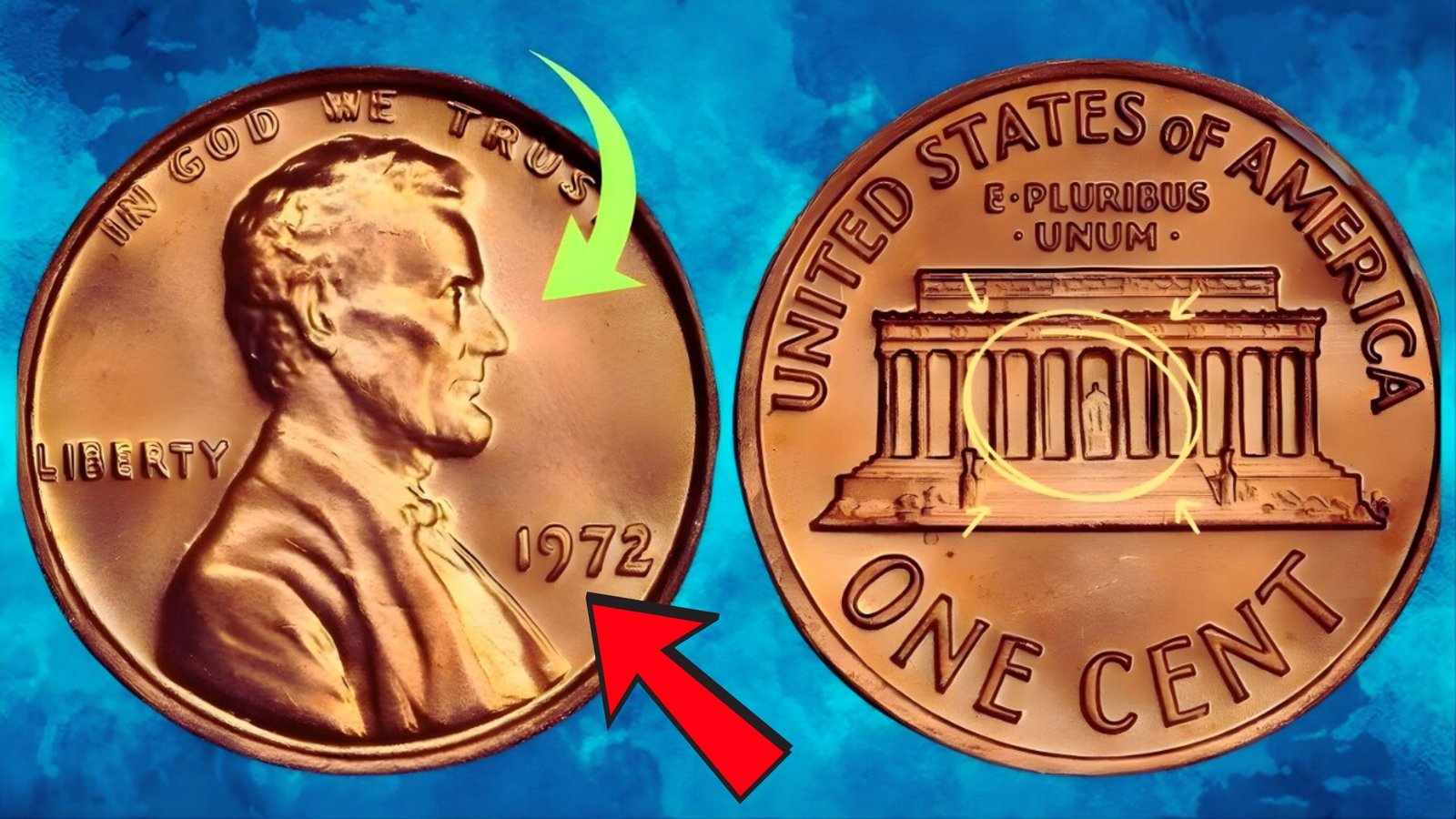
They may look ordinary, but those Wheat Pennies sitting in your change jar could be worth far more than their face value. Over the past decade, these tiny copper treasures have skyrocketed in collector demand, transforming what was once pocket change into potential profit. If you think your old pennies aren’t worth a second glance—think again.
What Are Wheat Pennies?
Wheat Pennies, officially known as Lincoln Wheat Cents, were minted in the United States from 1909 to 1958. Designed by Victor D. Brenner, they feature President Abraham Lincoln on the obverse and two wheat stalks on the reverse—symbols of prosperity and American strength. These coins marked the 100th anniversary of Lincoln’s birth, replacing the Indian Head cent.
A Quick Look at Their History
The early Wheat Pennies were made of 95% copper and 5% tin and zinc, giving them their signature reddish-brown color. During World War II, the US Mint temporarily switched to steel cents in 1943 to save copper for ammunition, creating one of the most famous coin variations in US history. Some 1943 pennies were mistakenly struck in copper, making them worth a fortune today.
Why Wheat Pennies Became So Valuable
In the past 10 years, the value of Wheat Pennies has surged due to a mix of rarity, metal composition, and nostalgia. Collectors are drawn to their historic charm, while rising copper prices have boosted their base metal value. But the real winners are rare dates and mint errors—coins that fetch hundreds or even thousands of dollars in auctions.
Most Valuable Wheat Pennies (2024–2025 Market Range)
| Year & Mintmark | Description | Estimated Value |
|---|---|---|
| 1909-S VDB | First year of issue, low mintage | $700 – $1,800 |
| 1914-D | Key date, scarce in fine condition | $200 – $3,000 |
| 1922 No D | Denver Mint error (no mintmark) | $300 – $1,200 |
| 1943 Copper | Mistaken metal strike | $100,000 – $250,000+ |
| 1955 Double Die | Iconic doubled lettering error | $1,200 – $15,000 |
| 1944 Steel | Wrong planchet from wartime | $50,000 – $100,000 |
| 1931-S | Depression-era scarcity | $100 – $250 |
Wheat Penny Value Over the Last Decade
Between 2015 and 2025, the average value of common Wheat Pennies rose by nearly 40% for collector-grade coins. Rare varieties saw even bigger jumps. This steady increase is driven by online coin trading, social media exposure, and the rise of hobbyist collectors during the pandemic era.
| Year | Average Common Value | Rare Varieties Peak |
|---|---|---|
| 2015 | $0.10 – $0.15 | $50,000 |
| 2020 | $0.20 – $0.25 | $100,000 |
| 2025 | $0.30 – $0.50 | $250,000+ |
How to Find Valuable Wheat Pennies
- Check Old Jars and Rolls – Many people unknowingly have Wheat Pennies mixed in with modern cents.
- Inspect Dates and Mintmarks – Key years like 1909-S, 1914-D, and 1955 Double Die are jackpot finds.
- Use a Magnifier – Subtle errors can turn a 5-cent coin into a 5-figure treasure.
- Look for “Full Lines” – Crisp, unworn details increase collector value dramatically.
- Get Coins Graded – Professional grading (PCGS or NGC) authenticates your coin and boosts resale price.
Notable Facts You Might Not Know
- Over 1 billion Wheat Pennies were produced in 1944 alone.
- A single 1943 Copper Wheat Penny sold for over $1 million in private sales.
- Most Wheat Pennies contain about 3 grams of pure copper, making them inherently valuable even as scrap.
- Collectors often build full sets covering all dates and mints from 1909–1958, with some series worth over $10,000.
Expert Tips from Coin Collectors
- Avoid Cleaning your coins—it ruins surface integrity and reduces value.
- Store Wheat Pennies in acid-free holders to prevent corrosion.
- Focus on rarity and condition rather than sheer quantity.
- Follow market trends; older coins with historical context rise fastest in value.
FAQs
Q: Are all Wheat Pennies valuable?
A: Not all, but every one is collectible. Common dates are worth 5–10 cents, while rare dates can reach thousands.
Q: What is the rarest Wheat Penny?
A: The 1943 Copper Wheat Penny and 1944 Steel Penny are among the rarest and most expensive.
Q: How do I know if my Wheat Penny is real?
A: Check weight (3.11 grams for copper). If in doubt, have it authenticated by a professional coin grading service.
Conclusion: A Century-Old Coin Still Shines Bright
The Wheat Penny is more than a piece of history—it’s a living symbol of American heritage and hidden wealth. Over the past decade, values have climbed steadily, proving that small coins can hold massive surprises. Whether you’re a seasoned collector or just curious, check your change—you might be holding a copper dream worth more than you ever imagined.