
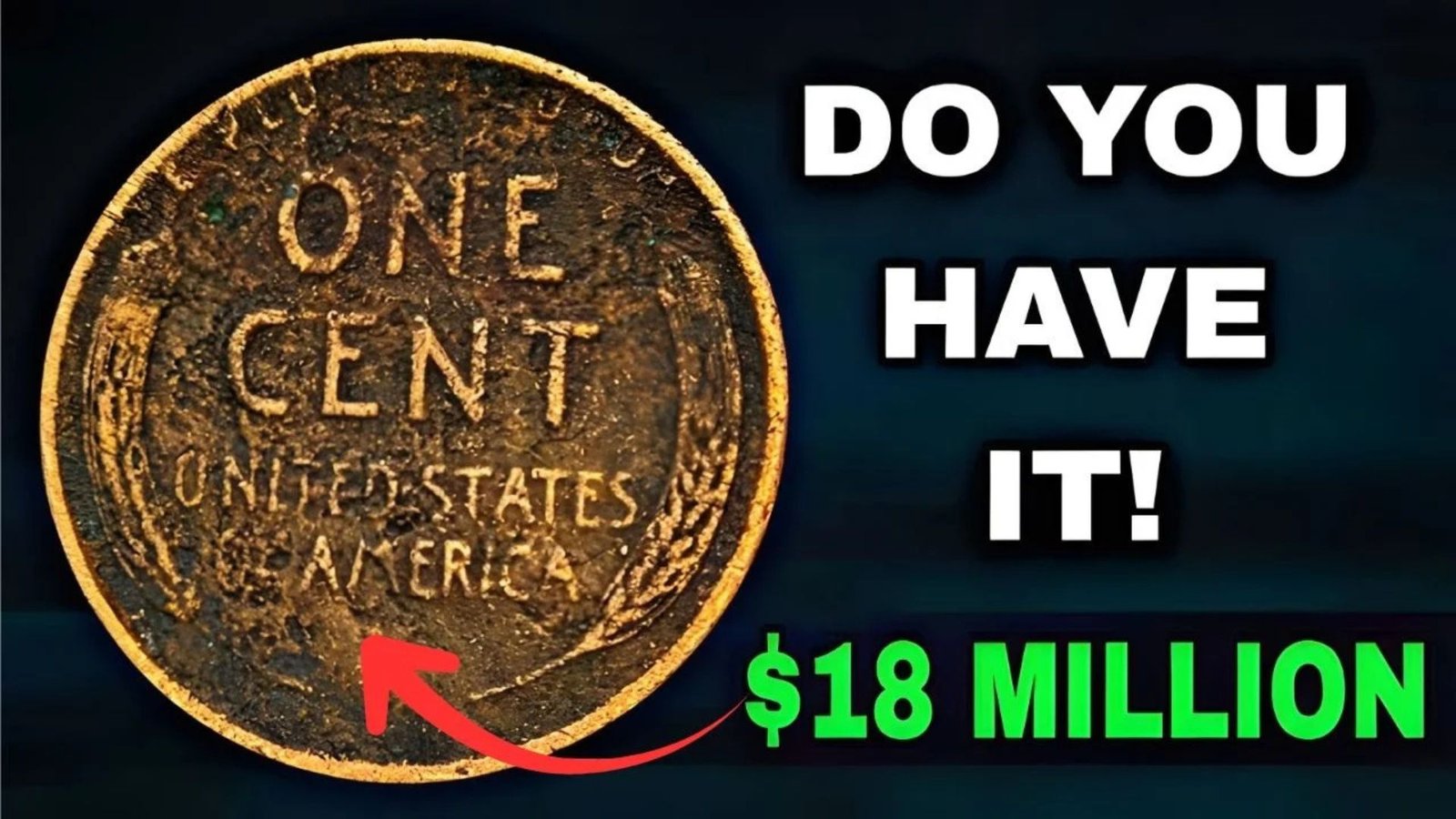
Every collector has that moment — you’re sorting through a pile of old change, and there it is: a Wheat Penny staring back at you with its vintage charm. For over a century, these coins have captured America’s imagination. But here’s the twist — in the last 15 years, Wheat Penny values have skyrocketed, surprising even seasoned numismatists. Let’s dive into why these tiny copper coins are suddenly commanding big attention.
What Is a Wheat Penny and Why It Matters
The Wheat Penny, officially known as the Lincoln Wheat Cent, was minted from 1909 to 1958. It features President Abraham Lincoln on the obverse and two stalks of wheat on the reverse — a simple yet timeless design. These coins marked a historic shift, being the first U.S. coin to feature a real person. For collectors, they’re not just currency — they’re tangible pieces of American history.
A Brief History of Wheat Pennies
Introduced to commemorate Lincoln’s 100th birthday in 1909, the Wheat Penny replaced the Indian Head Cent. Early versions bore the designer’s initials “V.D.B.” on the reverse, sparking controversy and leading to the rare 1909-S VDB, one of the most coveted coins in U.S. history. Over the decades, these pennies witnessed the Great Depression, two World Wars, and the transition to modern minting — making each date a snapshot of its era.
How Wheat Penny Values Have Changed in 15 Years
Over the past 15 years, Wheat Penny prices have seen steady growth, fueled by renewed collector interest, metal value trends, and a surge in online auctions. In 2010, common Wheat Pennies were worth just a few cents above face value. Today, even circulated coins fetch 10 to 50 cents, while key dates can sell for thousands.
| Year | Average Price (Common Wheat Penny) | Key Date Example Value (1909-S VDB) |
|---|---|---|
| 2010 | $0.05 – $0.10 | $900 – $1,200 |
| 2015 | $0.10 – $0.25 | $1,200 – $1,800 |
| 2020 | $0.20 – $0.50 | $2,000 – $2,800 |
| 2025 | $0.30 – $0.75 | $3,000 – $4,200+ |
Why Wheat Pennies Are Still Valuable Today
Collectors love Wheat Pennies because of their nostalgic design, affordability, and accessibility. They represent an entry point for beginners and an enduring passion for experts. The value has held firm even during market fluctuations, driven by:
- Historical significance — over a century of minting heritage.
- Metal content — made of 95% copper before 1982.
- Low mintage rarities — such as 1914-D, 1922 No D, and 1931-S issues.
Top 5 Most Valuable Wheat Pennies (Current Market)
| Coin | Key Feature | Approx. Value (2025) |
|---|---|---|
| 1909-S VDB | First issue, designer initials | $3,000 – $4,200+ |
| 1914-D | Scarce Denver mint | $1,500 – $2,800 |
| 1922 No D | Missing mintmark error | $2,000 – $3,500 |
| 1931-S | Low mintage (866,000) | $150 – $400 |
| 1943 Copper | Struck in copper by mistake | $150,000+ |
Notable Trends and Shocking Insights
- The 1943 Copper Wheat Penny remains one of the most valuable coins ever found in pocket change.
- Online auctions and grading services have made it easier for everyday collectors to sell rare finds.
- Even error coins, like off-center strikes or double dies, can now fetch hundreds of dollars.
- Interest in pre-1950s U.S. coins has surged among younger collectors, boosting overall demand.
Expert Tips for Modern Collectors
- Inspect your pennies carefully — focus on dates, mintmarks, and visible errors.
- Store properly in dry, temperature-controlled conditions to prevent oxidation.
- Get rare finds graded by PCGS or NGC to authenticate and boost value.
- Don’t clean coins, as doing so reduces collector value.
- Keep an eye on auctions — Wheat Penny prices often climb during coin market booms.
FAQs
Q: Are all Wheat Pennies valuable?
A: Not all. Most are worth 5–25 cents, but certain rare dates or mint errors are extremely valuable.
Q: What is the rarest Wheat Penny ever found?
A: The 1943 Copper Wheat Penny, mistakenly struck in copper instead of steel. Only about 40 exist.
Q: Should I sell or hold my collection?
A: Hold if you have key dates or certified coins — values continue to trend upward.
Q: Where can I sell Wheat Pennies?
A: Trusted options include certified coin dealers, reputable auction houses, or online marketplaces for graded coins.
Conclusion: Small Coin, Big Legacy
Over the last 15 years, Wheat Pennies have proven that even the smallest coins can carry the biggest stories. From the humble copper of 1909 to the legendary rarities of the 1940s, these coins continue to shine in collections and auctions worldwide. Whether you’re a seasoned numismatist or a curious beginner, now is the perfect time to check your change — because that ordinary-looking penny might just be your next big discovery.